The gaming industry has exploded into a multi-billion dollar entertainment phenomenon, and gaming consoles represent significant investments that many families struggle to afford at full retail prices. For budget-conscious gamers and parents of aspiring esports champions, overstock and liquidation channels offer genuine opportunities to secure PlayStation, Xbox, Nintendo, and other gaming systems at substantial discounts. However, the console market also attracts sophisticated fraudsters selling counterfeit, stolen, or otherwise problematic merchandise. Understanding how to navigate these waters safely can mean the difference between years of gaming enjoyment and an expensive lesson in marketplace scams.
Where Gaming Console Overstock Comes From
Gaming console overstock originates from several distinct supply channels, each with different implications for product quality and authenticity. The most legitimate source involves unsold retail inventory that liquidators purchase at discounted rates when stores need to clear shelf space for newer models. These consoles typically remain factory sealed, complete with manufacturer warranties, and represent the safest category of discounted gaming hardware. The primary risk involves older model inventory that might lack features found in current-generation systems.
Returns processing centers generate another significant stream of discounted consoles. When gamers return consoles for any reason—gift exchanges, buyer's remorse, or switching platforms—retailers cannot resell opened electronics as new. These returned units flow through liquidation channels, where they may be resold as open-box items, refurbished, or salvaged for parts. The condition varies enormously depending on why the original buyer returned the product and how thoroughly it was inspected before liquidation.
Corporate liquidations occur when businesses close gaming centers, entertainment venues, or simply have excess inventory they need to convert to cash. These sources can yield excellent deals but require verification that the merchandise is legitimate retail product rather than gray market imports, demonstration units, or products intended for other markets with different electrical specifications.
Authenticity Verification: Protecting Your Investment
Counterfeit gaming consoles have become increasingly sophisticated, making authenticity verification essential for any discounted console purchase. The first verification step involves examining physical packaging and labeling. Authentic consoles from major manufacturers feature high-quality printing, proper safety certifications, and accurate model numbers that can be verified on manufacturer websites. Counterfeit packaging often displays subtle imperfections: fuzzy text, incorrect colors, missing certification marks, or serial numbers that don't match manufacturer records.
Serial number verification provides the most reliable authenticity check. Every legitimate gaming console carries a unique serial number registered with its manufacturer. Before purchasing any discounted console, locate the serial number and verify it directly through the manufacturer's official website or customer service channels. This verification confirms not only authenticity but also whether the console has been reported stolen, whether it's still under warranty, and whether it's destined for a different regional market.
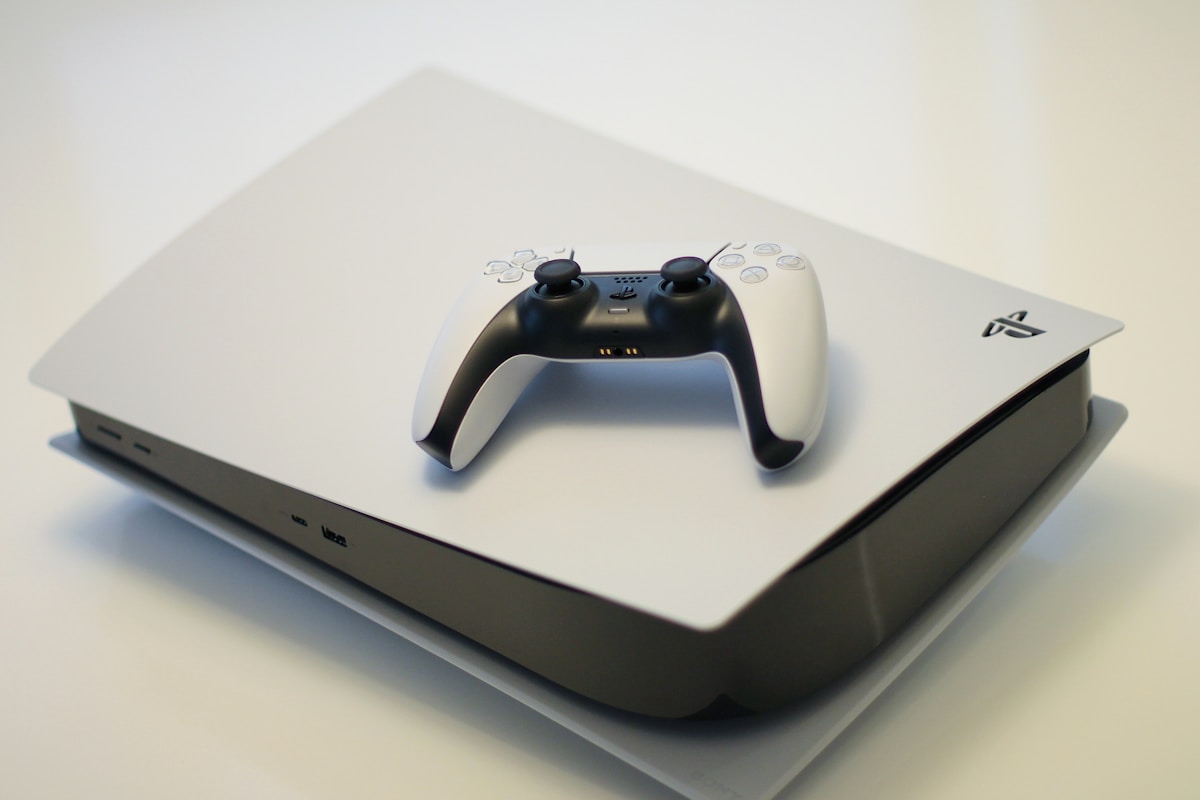
Physical inspection of the console itself reveals authenticity markers that counterfeiters struggle to replicate consistently. Authentic controllers feature proper button responsiveness, appropriate weight and balance, and correct branding including registration marks required by consumer electronics regulations. The console's exterior should display consistent manufacturing quality: smooth edges, proper ventilation spacing, and appropriate connector alignment. Any visible imperfections that seem inconsistent with manufacturing defects might indicate counterfeiting.
Regional Versions and Why They Matter
Gaming consoles manufactured for different regional markets often appear at significant discounts in international liquidation channels, but purchasing the wrong regional version can render your investment nearly worthless. Each major gaming platform employs region locking in various forms—some for game compatibility, others for digital content access, and some for both. Understanding these limitations prevents costly mistakes when pursuing discounted gaming hardware.
Nintendo consoles traditionally employ aggressive region locking for physical game cartridges. A Nintendo Switch purchased for the Japanese market cannot play game cartridges manufactured for North American or European markets. While Nintendo has recently softened this stance with some releases, purchasing the wrong regional Switch still significantly limits your gaming library. Xbox and PlayStation consoles generally offer more flexibility, allowing games from any region to function on any hardware, though digital content and subscription services often remain region-locked.
Electrical specifications represent another critical regional consideration. Gaming consoles manufactured for 110-120V markets cannot be safely used in 220-240V countries without appropriate voltage conversion equipment. Attempting to power a US-spec console in a European outlet without proper transformation damages the hardware and voids any remaining warranty. If you're purchasing a discounted console from a different electrical market, budget for necessary power adapters or voltage converters in your overall purchase cost.
Warranty Transfer and Protection Strategies
Major gaming console manufacturers generally honor warranties regardless of who possesses the hardware, but accessing warranty service requires proper documentation and registration. When purchasing discounted consoles, obtain and preserve all documentation including original receipts, packing slips, and any transferable warranty information. This paperwork proves essential when seeking manufacturer support for defects or malfunctions.
Serial number registration directly with the manufacturer extends your effective warranty coverage and creates an ownership record that facilitates future service claims. Visit the manufacturer's registration portal, create an account if necessary, and register your console's serial number along with your purchase information. This step confirms your eligibility for warranty services and often provides access to additional benefits like dedicated support channels or promotional offers.
Consumer protection laws in many jurisdictions provide additional recourse beyond manufacturer warranties. If you purchase a defective or misrepresented console, local consumer protection agencies may assist with disputes, especially when dealing with established retailers or platforms with meaningful seller accountability. Document all communications with sellers, preserve transaction records, and research your local consumer rights before concluding that a problematic console purchase is simply your loss.
Evaluating Refurbished Console Quality
Refurbished gaming consoles can represent excellent value when properly evaluated, but the refurbishment quality varies enormously across sources. Manufacturer-refurbished consoles, restored by the original company using official parts and procedures, generally offer quality approaching new production units. These typically carry meaningful warranties and have been subjected to the same quality standards as new products, though they may exhibit minor cosmetic imperfections from previous use.
Third-party refurbished consoles require more careful evaluation. Independent refurbishers may use aftermarket parts, employ varying diagnostic standards, and implement different cosmetic restoration approaches. Before purchasing third-party refurbished gaming hardware, research the refurbisher's reputation thoroughly. Look for established businesses with transparent refurbishment processes, meaningful warranty terms, and demonstrable customer satisfaction. Avoid refurbished console sources that cannot clearly explain their inspection and restoration procedures.
Physical inspection upon receipt provides your final quality verification opportunity. Test all controllers, connections, and functional elements immediately upon receiving any refurbished console. Verify that all buttons respond correctly, optical drives read discs properly, digital stores function, and online connectivity works as expected. Document any deficiencies immediately and contact the seller while the transaction record remains fresh, maximizing your chances of successful resolution.
Smart Shopping Strategies for Discounted Consoles
Successful gaming console deals require patience and strategic timing rather than impulse purchases. Major gaming console discounts frequently coincide with new model releases, holiday shopping seasons, and retail inventory clearance events. Subscribe to deal alerts from reputable sources, and be prepared to act quickly when exceptional deals appear—quality discounted consoles often sell within hours of listing.
Platform-specific considerations influence which console offers the best value for your gaming priorities. PlayStation and Xbox offer broader game libraries and multimedia capabilities, while Nintendo consoles provide exclusive franchises and family-friendly content that appeals to younger audiences. Evaluate your gaming preferences, existing library investments, and anticipated multiplayer needs before deciding which discounted platform offers the best fit for your household.
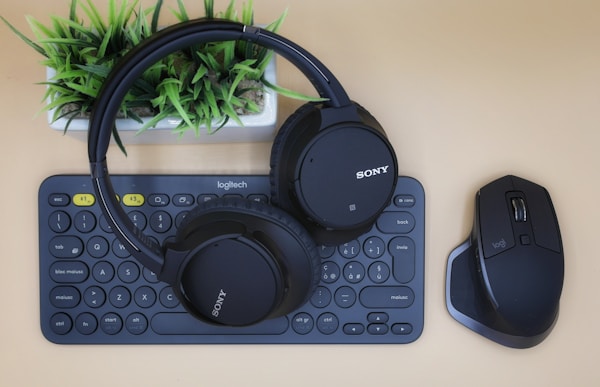
Accessories and peripherals represent another value optimization opportunity when purchasing discounted consoles. Controllers, headsets, charging stations, and storage expansion often appear in liquidation channels alongside the consoles themselves. These accessories can significantly enhance your gaming experience while still representing substantial savings compared to retail pricing. Focus on quality accessories from established manufacturers, as cheap third-party peripherals frequently provide disappointing performance and durability.
Pro Tip
Always verify warranty status and remaining coverage before purchasing any discounted console. A console with 11 months of factory warranty remaining provides vastly more protection than an as-is purchase with no recourse for defects.

Patricia Williams
Patricia Williams has helped thousands of gamers find incredible deals on gaming hardware. Her comprehensive approach to deal evaluation ensures readers maximize savings while avoiding common marketplace pitfalls.