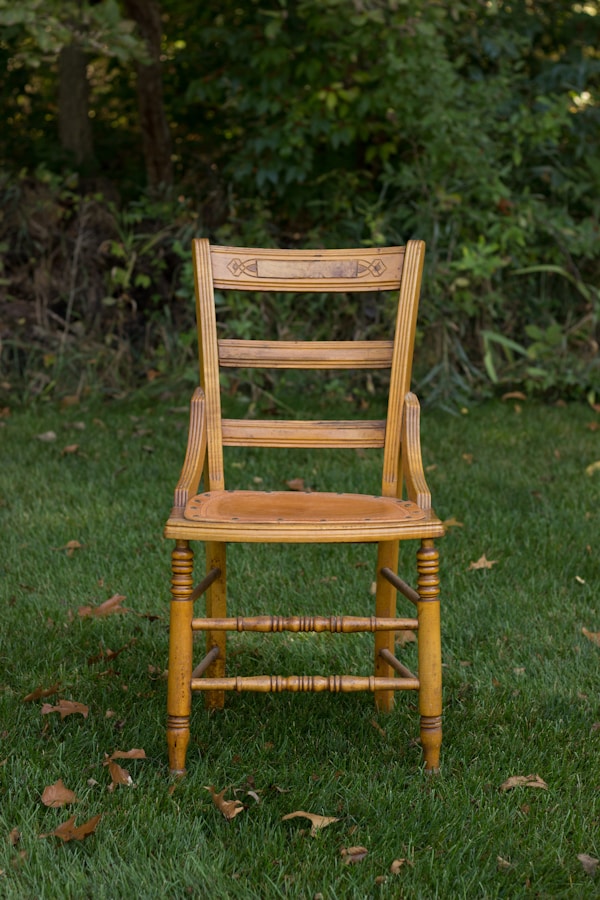

Furniture represents one of the most significant investments in any household, and overstock channels offer genuine opportunities to acquire quality pieces at substantial discounts. However, furniture quality varies enormously—from heirloom-quality solid hardwood construction to disposable particleboard that falls apart within months. Without proper inspection knowledge, shoppers risk purchasing overstock furniture that delivers disappointment rather than the lasting value they anticipated. This guide provides comprehensive quality checkpoints that help you distinguish genuinely excellent furniture from pieces that only appear attractive under showroom lighting.
Understanding Furniture Construction Basics
Before inspecting any furniture piece, understanding fundamental construction principles helps you evaluate what you're examining. Furniture quality depends primarily on how components are joined and what materials are used—two factors that dramatically influence both durability and weight. Quality furniture feels substantial because it contains real wood, metal hardware, and robust joinery. Cheap furniture feels light, hollow, or unstable because it relies on engineered wood products, plastic components, and simple mechanical fasteners.
Solid hardwood construction represents the highest quality tier in furniture manufacturing. Pieces built from oak, maple, walnut, or cherry feature real wood throughout—not just on visible surfaces. These pieces can be sanded and refinished multiple times, extending their useful life for decades or even generations. While solid hardwood furniture carries higher initial prices, overstock opportunities make this quality level accessible to budget-conscious shoppers willing to invest time in finding the right pieces.
Engineered wood products—including plywood, MDF, and particleboard—form the material basis for most affordable furniture. These products use wood fibers, veneers, or chips bonded with adhesives under pressure. While modern engineered wood performs adequately for many applications, it cannot match solid wood's durability or repairability. Understanding what materials构成 your potential purchase helps set appropriate expectations for longevity and care requirements.
Joinery Quality: The Mark of Craftsmanship
How furniture components connect reveals more about quality than almost any other single factor. Dovetail joints—characterized by interlocking wedge-shaped fingers—represent the gold standard for drawer construction. These joints resist pulling apart under stress and indicate furniture built to last. When evaluating drawers, pull them fully open and examine the corners where front meets sides. Visible dovetails suggest quality; simple nailed or stapled joints indicate budget construction.
Mortise and tenon joinery connects horizontal and vertical components in tables, chairs, and case goods. This traditional technique involves a projecting tongue (tenon) fitting precisely into a receiving hole (mortise), often reinforced with glue and wooden pegs. Quality furniture uses mortise and tenon joints that remain tight after decades of use. Wiggle joints that feel loose or exhibit gaps suggest inferior construction that will deteriorate rapidly.
Corner blocking and bracing determine whether furniture remains stable over time. Quality pieces include diagonal bracing, corner blocks, and steel bracket reinforcements at stress points. Run your hand along interior corners and back edges to feel for these structural elements. Furniture lacking proper bracing may appear fine initially but develops wobbles, squeaks, and eventual failure as joints loosen with use.
Hardware Evaluation: Small Components, Big Impact
Drawer pulls, hinges, and mounting hardware reveal manufacturing quality at a glance. Quality furniture uses solid metal hardware—brass, bronze, steel, or substantial aluminum—rather than plated plastic or thin stamped metal. Examine hardware weight and feel; substantial heft typically indicates quality, while lightweight components suggest cost-cutting elsewhere in the product.
Hinges should operate smoothly without resistance or grinding. Test cabinet doors multiple times, opening and closing through full range of motion. Quality hinges include adjustment screws allowing you to fine-tune alignment over time. Cheap hinges often lack adjustment capability and degrade rapidly, causing doors to sag, warp, or fail to close properly.
Drawer slides determine how smoothly drawers operate under load. Quality slides use metal ball bearings or nylon rollers that glide effortlessly even when heavily loaded. Budget slides often bind, stick, or collapse entirely. Pull drawers fully open and push them closed repeatedly, noting any resistance, grinding, or hesitation. Push down slightly on drawer bottoms to test structural integrity—the bottom should not flex noticeably.
Surface Finish Assessment
Finish quality determines how well furniture resists scratches, stains, and daily wear. High-quality finishes appear uniform with proper depth, showing wood grain rather than covering it entirely. Thin, washy finishes that leave wood looking pale or washed out typically indicate lower-quality products that will show wear rapidly. Good finish build creates subtle depth, enhancing rather than obscuring natural wood character.
Check finish adhesion around edges, corners, and areas of normal wear. Flaking, peeling, or chipping finish suggests either manufacturing defects or improper storage conditions that may have compromised the entire piece. Surface imperfections that appear only under certain lighting often indicate fills, repairs, or touch-ups attempting to disguise damage or defects.
For painted furniture, examine the finish for orange peel texture, runs, or overspray onto interior surfaces. Quality paint application appears smooth and uniform without visible brush strokes or spray patterns. Slight imperfections may be acceptable on deeply discounted overstock, but significant finish problems indicate factory quality control failures that might extend to structural elements.
Structural Stability Testing
Before purchasing any furniture piece, conduct thorough stability testing. Place hands on opposite corners and apply gentle rocking pressure—the piece should not wobble, shift, or creak. Repeat testing from multiple angles, noting any movement that suggests loose joints or inadequate bracing. Minor movement often indicates simply needing assembly tightening; significant wobble suggests fundamental construction problems.
For seating furniture, sit in the piece and shift weight in multiple directions. Quality chairs and sofas absorb this movement without creaking or feeling unstable. Attempt to rock the piece side to side and front to back. Legs should remain planted firmly; any lifting indicates instability that will worsen over time.
Shelving and case goods require specific stability testing. Open all doors and drawers simultaneously to test whether the piece tries to tip forward under uneven load. Push on backs of pieces to verify they're properly secured. Many furniture failures involve pieces tipping forward when children climb on open drawers—a preventable tragedy with proper initial evaluation.
Upholstery Quality Markers
Upholstered furniture requires specialized evaluation techniques beyond visual inspection. Run your hand along cushion surfaces to feel for lumps, bumps, or areas of compression that indicate low-quality foam or improper cushion construction. Quality cushions maintain consistent density throughout, providing comfortable support without soft spots or hard areas.
Seat cushion quality varies dramatically based on foam density, wrapping, and construction. High-density foam (1.8 to 2.5 pounds per cubic foot) maintains shape and support for years, while budget foam (under 1.5 pounds) compresses rapidly and loses support within months. Well-made cushions often include spring coils, high-resilience foam, or down-blend wrapping for additional comfort and durability.
Fabric quality determines how well upholstered furniture resists staining, fading, and wear. Tight weave fabrics with patterns woven into the material rather than printed provide better long-term appearance. Check armrest tops, seat edges, and other high-contact areas for fabric wear or surface damage. Cushion covers should fit snugly without excessive wrinkling or gaps that indicate incorrect sizing.
Making Final Quality Assessments
After completing individual inspections, step back and evaluate the overall impression. Quality furniture projects confidence through consistent attention to detail—each component reflects awareness that customers notice everything. Furniture with impressive primary surfaces but neglected backs, undersides, or interior components reveals an assembly-line quality mindset that likely extends to structural elements you cannot directly observe.
Consider the furniture's weight and balance as indicators of construction quality. Well-made furniture feels appropriately heavy for its size and materials—substantial without being impossibly difficult to move. Furniture that feels unnaturally light for its dimensions likely uses thin materials, hollow construction, or minimal internal bracing that limits longevity.
Finally, research the manufacturer and product line before finalizing any significant furniture purchase. Established manufacturers maintain quality standards that can be verified through reviews, industry reputation, and warranty terms. Unknown brands or discontinued lines may represent excellent values or hidden quality problems—understanding which requires research beyond physical inspection alone.
Pro Tip
Bring a flashlight, tape measure, and small level when inspecting overstock furniture. A flashlight reveals hidden damage, measurements ensure furniture fits your space, and a level identifies wobbles that might be fixable with simple adjustments.

Patricia Williams
Patricia Williams has evaluated thousands of furniture pieces across thirty years of deal hunting. Her systematic inspection approach helps readers identify quality furniture that provides lasting value at any price point.