
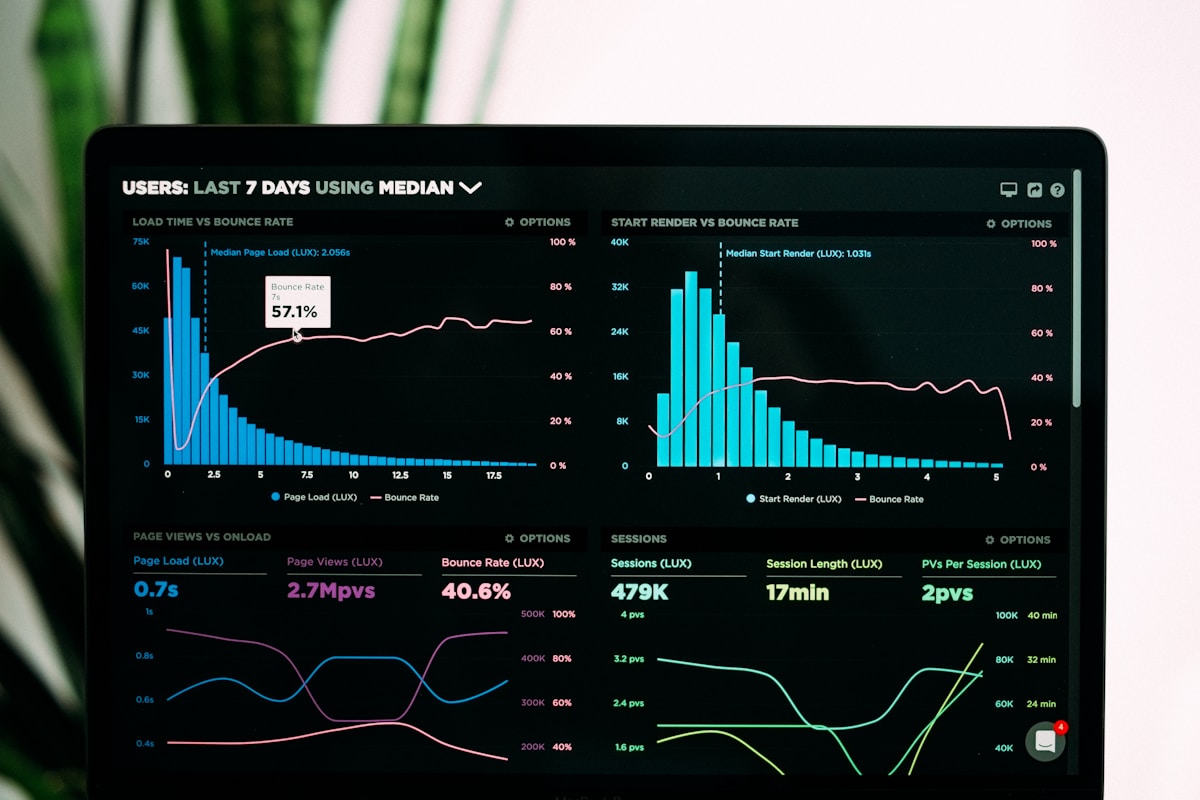
The internet has democratized price comparison in ways that were unimaginable just two decades ago. What once required visiting multiple stores or waiting for specialized consumer publications now happens instantaneously through browser extensions, mobile apps, and websites that track prices across thousands of retailers. For the overstock shopper, these tools are not merely convenient luxuries; they are essential weapons in the battle to get genuine value from discount merchandise purchases.
Yet most shoppers use only a fraction of the available price comparison capabilities. They check one or two websites, find a price that seems reasonable, and buy. This approach leaves significant savings on the table because it cannot account for price variations across the entire market, historical pricing patterns, or the availability of better alternatives. In this guide, I will show you how to leverage price comparison tools effectively to ensure you always get the best possible deal on your overstock purchases.
Browser Extensions That Work While You Shop
Browser extensions represent the most convenient category of price comparison tools because they operate passively in the background while you browse normally. Once installed, these extensions automatically detect when you are viewing a product and display relevant price comparison data without requiring you to manually search for alternatives. The best extensions also monitor price changes on items you have viewed, alert you when prices drop, and sometimes apply coupon codes automatically at checkout.
The most popular price comparison extensions include Honey, which focuses on automatically finding and applying coupon codes; Rakuten, which provides cash back rebates in addition to price comparisons; InvisibleHand, which displays competitor pricing as you browse; and Keepa, which tracks price histories specifically for Amazon listings. Each has strengths and weaknesses, and most experienced overstock shoppers use multiple extensions in combination to ensure comprehensive coverage.
Setting Up Your Extension Arsenal
Installing multiple price comparison extensions requires some care to avoid conflicts and redundant notifications. I recommend installing one primary price comparison extension with the most comprehensive feature set, supplemented by one or two specialized tools for specific functions. For example, you might use Honey as your primary tool for automatic coupon application while adding Keepa specifically for tracking Amazon price history on items that also appear there.
Configure your extensions to provide notifications through a single channel to avoid alert fatigue. Many extensions allow you to customize which notifications you receive and when. Spending five minutes adjusting these settings when you first install an extension prevents the overwhelming notification experiences that cause many users to disable price tracking tools entirely.
Price History Tracking and Patience
One of the most powerful price comparison strategies is understanding price history patterns rather than simply accepting the current listed price. Products in most categories follow predictable seasonal and cyclical price patterns that informed shoppers can exploit. A piece of furniture that costs $800 in February might drop to $500 in August during clearance season. A laptop that sells for $1,200 in September might be available for $900 during Black Friday events. Price history tools reveal these patterns and help you identify optimal purchasing windows.
CamelCamelCamel is the gold standard for Amazon price history tracking, providing graphs that show price movements over days, weeks, months, and years. While Amazon is not strictly an overstock retailer, many overstock items appear on Amazon as well, and the price history information helps establish fair value baselines even for items purchased through other channels. For non-Amazon overstock items, smaller tools like Keepa and Honey's Droplist feature provide similar historical perspective.
Using Price Drops to Time Your Purchases
Once you have established baseline prices through historical tracking, you can set price alerts that notify you when items drop to your target purchase price. This approach transforms overstock shopping from reactive to proactive. Rather than constantly monitoring retailers for good deals, you identify the items you want at prices you would be willing to pay, then wait for the market to meet your terms. This strategy requires patience but consistently produces better results than impulse shopping.
Set price alerts at levels that represent genuine discounts rather than marginal savings. A reasonable target for overstock items is typically 40% to 60% below standard retail pricing, though this varies by category and product type. When an alert fires for an item at your target price, act quickly because overstock quantities are finite and good deals disappear fast.
Dedicated Price Comparison Websites
Beyond browser extensions, dedicated price comparison websites provide comprehensive market overviews that individual retailer sites and extensions cannot match. These platforms aggregate pricing data from hundreds or thousands of retailers, giving you a true picture of where the market stands for any given product category. Google Shopping, Shopzilla, Pricegrabber, and BizRate are established platforms that have been serving comparison shoppers for years, while newer entrants like Tabook and Smarterer bring fresh approaches to the same fundamental concept.
The key to using comparison websites effectively is understanding their limitations. Many comparison engines include sponsored or promoted results that may not represent the best value. Look for ways to sort or filter results by price alone, excluding promoted listings, to see the true market landscape. Comparison websites also vary in how frequently they update their data, so a listed price may no longer be accurate by the time you click through to the retailer.
Pro Tip Pro Tip
Use Google Shopping's filter features to sort by price plus shipping, not just item price. A seemingly cheap overstock item with $100 shipping is not a good deal if competitors offer the same item for $20 more but with free shipping. Always compare total costs, not just base prices.
Mobile Apps for On-the-Go Comparison Shopping
Mobile price comparison apps extend your shopping intelligence to in-store browsing and location-based deal discovery. The ability to scan a barcode or photograph a product and instantly see pricing from multiple online retailers transforms how you evaluate in-person overstock purchases. If you visit a physical overstock outlet or liquidator, using a mobile app to verify whether listed prices represent genuine value can prevent overpaying for items that are not actually discounted from their fair market value.
Popular mobile comparison apps include ShopSavvy, which allows barcode scanning and provides price comparisons from thousands of retailers; Shopkick, which offers rewards for scanning items and comparing prices; and Amazon's mobile app, which includes a price checking feature that leverages Amazon's enormous product database. Many cash back apps like Rakuten also include built-in price comparison features that make mobile price checking convenient while earning rewards.
Barcode Scanning vs. Image Recognition
Modern price comparison apps use two primary identification methods: barcode scanning and image recognition. Barcode scanning is highly accurate because barcodes uniquely identify specific products, allowing instant price database lookup. However, barcode scanning only works for products that have standard retail barcodes, which excludes many specialty items, imported goods, and products from smaller manufacturers.
Image recognition technology attempts to identify products from photographs taken with your phone camera. While impressive advances have been made in this area, image recognition remains less reliable than barcode scanning and may return incorrect matches or fail to find products entirely. For reliable results, use barcode scanning whenever possible and reserve image recognition for situations where no barcode is available.
Creating Your Personal Price Reference System
The most sophisticated price comparison strategy involves building your own reference database of prices you have encountered for items you commonly purchase. This personal knowledge base allows you to instantly recognize when a listed price represents a genuine deal versus when it is merely marketed as a discount without real savings. Over time, this database becomes an invaluable resource that guides all your overstock shopping decisions.
Building this database does not require any special software; a simple spreadsheet or notes app can track the products, retailers, and prices you encounter regularly. Record prices you see for common items, note the date, and track when prices change. Within a few months of systematic tracking, you will have a personal price reference that makes evaluating overstock deals nearly instantaneous because you will already know what the item typically costs and whether a given listing represents genuine value.

Patricia Williams
Patricia Williams has spent 15 years helping shoppers find quality products at discount prices. Her expertise ensures you get genuine value from every purchase.