
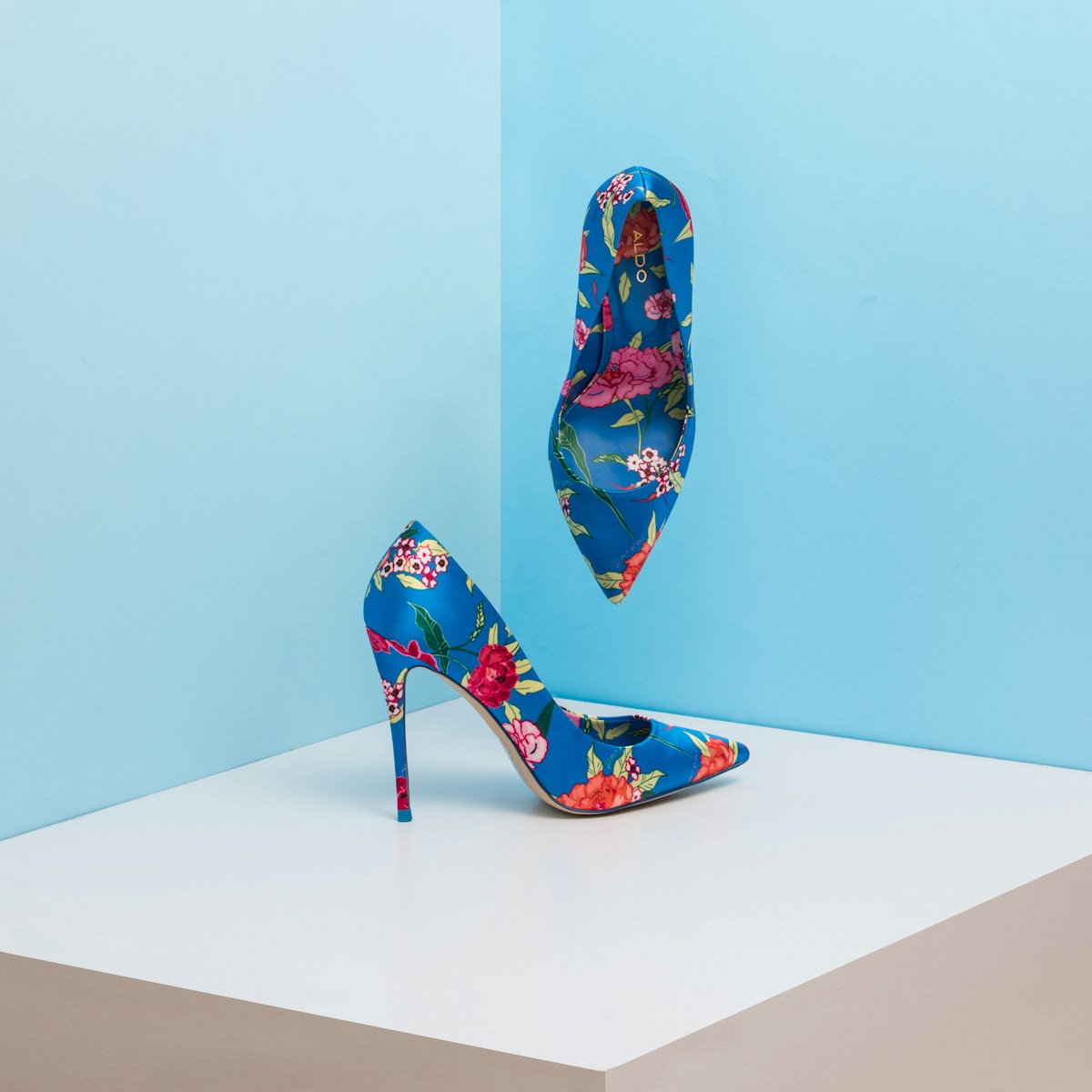
Shoes represent one of the most impactful categories for budget-conscious shoppers who refuse to compromise on quality. The difference between a well-made shoe and a cheap one is immediately apparent in comfort, support, and how the shoe holds up through months of regular wear. Yet premium footwear brands command prices that put their products out of reach for many consumers: quality dress shoes regularly sell for $200 to $400, and even basic athletic shoes from reputable brands can cost $100 to $150 per pair. The overstock and clearance market for shoes changes this equation entirely, making quality footwear accessible to anyone willing to shop strategically.
In this guide, I will walk you through the landscape of overstock shoe shopping, from understanding construction quality to identifying the best sources for discounted footwear. Whether you need running shoes, dress shoes, casual everyday footwear, or specialized shoes for specific activities, this guide will help you build a quality shoe wardrobe at prices that will not strain your budget.
What Makes a Shoe Worth Your Investment
Shoe quality is determined primarily by three factors: materials, construction method, and design engineering. Premium materials like full-grain leather, quality rubber compounds, and advanced cushioning foams all contribute to both comfort and durability. The construction method determines how these materials are assembled and how the shoe performs over time. Understanding these fundamentals helps you evaluate overstock shoes intelligently and avoid purchasing items that are cheap for good reasons.
Goodyear welt construction, where the upper is stitched to a leather welt that is then stitched to the sole, represents the gold standard for dress shoes and many casual shoes. This construction method allows the shoe to be resoled multiple times, extending its usable life for decades with proper care. Cement construction, where the upper is glued to the sole, is less expensive but cannot be repaired when the sole wears out, making the entire shoe disposable. For overstock dress shoes, Goodyear welt construction indicates a quality item worth the investment even at higher overstock prices.
Understanding Athletic Shoe Technology
Athletic shoes have become increasingly specialized, with different shoes engineered for specific activities like running, training, basketball, and casual wear. The technology built into quality athletic shoes includes energy-returning cushioning compounds, support structures tailored to different foot types, and outsoles designed for specific surface conditions. While casual walking may not require the most advanced technology, the cushioning and support features in quality athletic shoes genuinely affect comfort and foot health during extended wear.
When shopping for overstock athletic shoes, prioritize current or recent model years from major brands rather than older versions that may use outdated technology. The discount on last year's model is often nearly as deep as older versions but provides significantly better technology. Watch for genuine closeout situations where retailers are clearing inventory to make room for new releases, which typically happen twice yearly in the spring and fall as brands transition their seasonal models.
The Seasonal Nature of Shoe Overstock Availability
The shoe market operates on distinct seasonal cycles that create predictable windows for overstock shopping. Summer shoe styles peak in spring and are heavily discounted in late summer and early fall. Winter boots and cold-weather footwear peak in fall and go into liquidation in late winter and early spring. Athletic shoes follow academic calendars with major releases in spring and fall that trigger clearance of previous versions.
The best overstock shoe deals appear during seasonal transitions, typically in August and September for summer styles and February and March for winter styles. During these periods, retailers are highly motivated to clear inventory and will offer their deepest discounts of the year. Planning major shoe purchases around these windows allows you to acquire premium footwear at 50% to 80% below original retail pricing.
Where Overstock Shoes Come From
Shoe overstock enters the market through several channels. Department stores frequently overbuy seasonal inventory, particularly in trend-driven categories like fashion sneakers and casual shoes. When items do not sell through the season, they are returned to manufacturers or liquidated through secondary channels. This inventory often ends up in overstock listings at a fraction of original wholesale pricing, which translates to exceptional consumer value.
Online shoe retailers have high return rates, with customers frequently ordering multiple sizes to find the right fit and returning what does not work. These returns, even if the shoes were never actually worn outdoors, cannot be resold as new and instead flow into liquidation. Many overstock shoes are genuinely new with original tags, having been returned after being tried on in the home rather than worn. Always check condition descriptions carefully and buy from sellers with reasonable return policies until you understand how specific sellers grade their merchandise.
Size Considerations When Shopping Overstock Shoes
Shoe sizing varies significantly between brands and even between styles within the same brand. A size 9 in one brand may fit like a size 8.5 in another or like a 9.5 in yet another. This variability makes overstock shoe shopping challenging because you often cannot try shoes on before purchasing. Developing familiarity with how specific brands fit relative to your measurements helps you shop more confidently and reduces the likelihood of purchasing shoes that do not fit properly.
When purchasing overstock shoes without being able to try them on, know your exact foot measurements in both length and width. Many overstock sellers provide size charts that help translate their sizing to standard measurements. Compare your measurements against these charts and the seller's specific guidance to determine the best size to order. If you are between sizes, lean toward the larger size, as adding an insole or wearing thicker socks can address slight excess room, whereas shoes that are too small cannot be made larger.
Pro Tip
Keep records of which brands and styles fit your feet well. Once you establish that a specific brand runs true to size or that a particular style runs large, you can shop more confidently for that brand in the future. Building this knowledge over multiple purchases transforms overstock shoe shopping from uncertain to systematic.
Caring for Your Overstock Footwear
Quality shoes represent an investment that proper care protects and extends. Leather shoes benefit from regular cleaning, conditioning, and polishing to maintain the material's suppleness and appearance. Invest in quality shoe care products appropriate for the specific materials in your footwear. Leather conditioners, suede brushes, and water-resistant treatments all contribute to extending the functional life of quality footwear.
Proper storage significantly affects shoe longevity. Shoes should be stored away from direct sunlight and heat sources that can dry out and crack materials. Cedar shoe trees absorb moisture and help maintain shape between wears. For shoes that have gotten wet, allow them to dry slowly at room temperature rather than using direct heat, which can cause materials to crack and adhesives to fail.
Rotating Your Shoes Extends Their Life
Rotating between multiple pairs of shoes rather than wearing the same pair daily dramatically extends each pair's usable life. Shoes need time to dry out between wears, and the constant pressure of daily wear breaks down cushioning and structural components more quickly when shoes do not have recovery time. Even two pairs of shoes rotated evenly will last significantly longer than a single pair worn every day.
Overstock shopping makes building a rotation of quality shoes economically feasible where buying multiple pairs at full retail would be prohibitively expensive. Investing the same total budget in three pairs of quality overstock shoes rather than one pair at full retail gives you a rotation that keeps all three pairs in better condition while providing variety in your wardrobe.

Patricia Williams
Patricia Williams has spent 15 years helping shoppers find quality products at discount prices. Her expertise ensures you get genuine value from every purchase.