
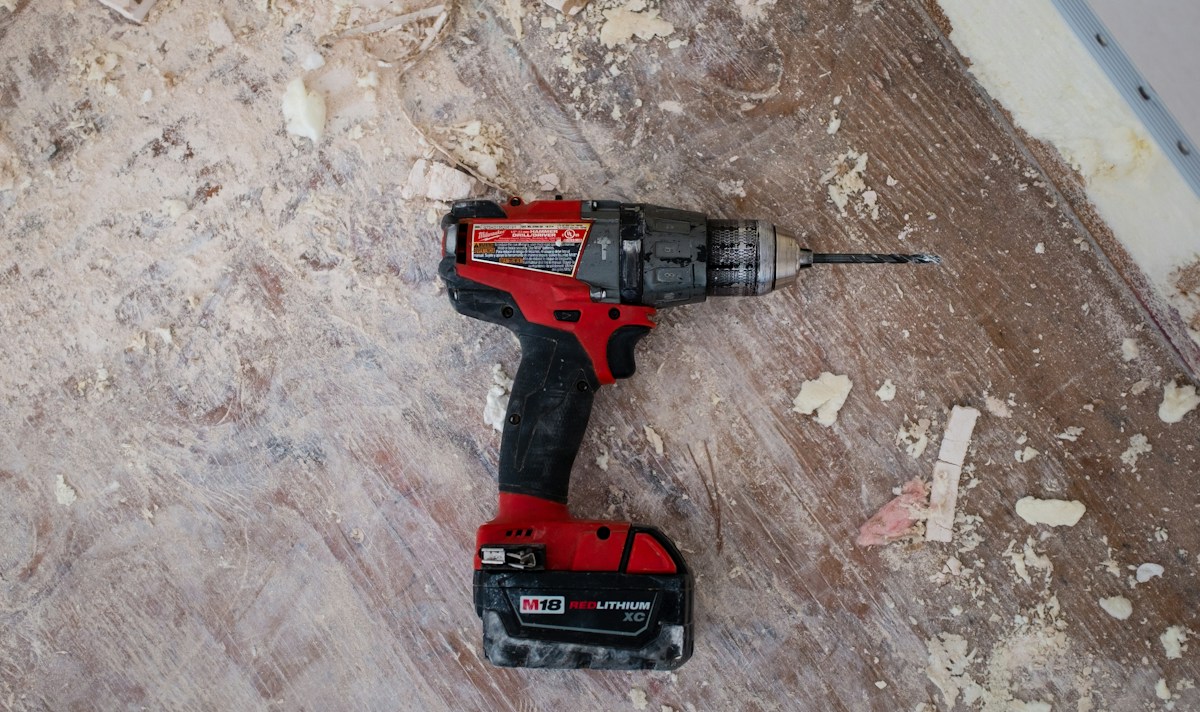
Quality tools represent investments in capabilities that serve homeowners, hobbyists, and professionals for decades when properly selected and maintained. The gap between premium professional-grade tools and budget consumer alternatives spans both price and performance dramatically, making the prospect of acquiring professional equipment at overstock prices particularly attractive. Whether you're building a workshop from scratch, upgrading outdated equipment, or adding specialized capabilities to your existing collection, understanding how to evaluate discounted tools ensures your investments deliver the reliability and performance you need for projects ranging from simple home repairs to ambitious workshop creations.
Understanding Tool Quality Tiers
The tool market stratifies into distinct quality tiers, each serving different user needs and budget constraints. Consumer-grade tools designed for occasional homeowners prioritize accessible pricing over extended durability, using plastic components and motors designed for limited duty cycles. Professional-grade tools assume daily use by tradespeople who depend on their equipment for livelihood, incorporating metal components, robust motors, and ergonomic designs that withstand demanding applications.
Premium professional tools represent the highest quality tier, featuring extended warranty coverage, extensive service networks, and components designed for maximum durability and precision. Brands like Milwaukee, DeWalt, Makita, and Festool occupy this premium professional segment, pricing their products accordingly. Overstock opportunities that bring premium professional tools within consumer-grade pricing ranges deliver exceptional value for buyers who understand what they're acquiring.
The critical distinction between consumer and professional tools lies in duty cycle—the duration and intensity of use the tool can handle without degradation. Consumer drills might perform adequately for occasional tasks but overheat during extended use; professional models maintain performance through continuous operation. This difference justifies significant price premiums for anyone planning anything beyond minimal tool use.
Power Tool Motor Quality Assessment
Motor quality determines how well power tools perform under load and how long they remain operational. The two primary motor types—brushed and brushless—represent different technologies with distinct performance characteristics. Brushed motors use physical brushes to transfer electricity to rotating motor components, creating friction that generates heat and wear. Brushless motors use electronic controllers to manage power delivery, eliminating brushes and associated friction for improved efficiency and longevity.
Motor specifications indicate capability but require interpretation. Amperage ratings for AC tools and voltage ratings for battery platforms suggest power levels, but actual performance depends on motor design quality and overall tool engineering. Two tools with identical motor specifications may perform dramatically differently based on internal component quality, cooling system design, and electronic controller sophistication.
Visual and auditory inspection provides preliminary motor quality assessment. Motors should start smoothly without unusual sounds, grinding, or excessive vibration. Under load, quality motors maintain consistent power delivery without stalling or demonstrating significant performance degradation. Unusual sounds during operation—grinding, whining, clicking—suggest bearing issues, gear problems, or other mechanical concerns that indicate either manufacturing defects or prior damage.
Battery Platform Considerations
Battery-powered tools have become dominant in residential tool markets, offering cordless convenience that corded tools cannot match. However, battery platform choices create long-term implications for tool collection investment. Manufacturers develop proprietary battery systems that only work with their own tools, meaning battery investments only apply to that manufacturer's ecosystem.
When evaluating overstock battery-powered tools, consider the battery platform's overall capabilities and your existing equipment compatibility. A deeply discounted tool from a manufacturer you don't already use requires new battery investments that affect overall value calculations. However, exceptional deals on premium platform tools might justify starting a new ecosystem if the pricing advantage sufficiently offsets battery platform duplication.
Battery condition significantly impacts tool usability and value. Batteries degrade over time and with use, losing capacity that reduces runtime between charges. A tool priced exceptionally well becomes less valuable if its battery no longer holds adequate charge. When possible, test batteries to verify they accept charges and hold runtime comparable to specifications. Replacement batteries represent additional costs that should factor into overall purchase value assessment.
Hand Tool Quality Evaluation
Hand tools offer different quality indicators than power tools, with material composition and manufacturing precision determining how well these simpler implements perform their fundamental functions. Quality hand tools can serve generations when properly maintained, making initial investment in quality particularly rewarding over extended ownership periods.
Steel quality in cutting edges, blades, and functional surfaces distinguishes quality hand tools from disposable alternatives. High-carbon steel holds edges longer and resharps more effectively than soft steel used in budget tools. Chrome-molybdenum and vanadium steel alloys provide enhanced durability for applications requiring tough, resilient steel. Look for tool steel specifications that indicate appropriate material choices for intended applications.
Handle quality determines comfort during extended use and grip security during demanding applications. Quality handles use materials like hardwood, acetate, rubber overmolds, or ergonomic polymer composites that provide secure grip even when hands are damp or greasy. Inspect handles for cracks, delamination, or weak points that indicate potential failure during use.
Checking Tool Condition Thoroughly
Overstock tools arrive from various sources—retail returns, liquidation of business equipment, overstocked inventory, or display samples—each with different condition implications. Display samples often appear nearly new with only minimal customer handling, while equipment from failed businesses might show significant wear from professional use. Understanding the source helps set appropriate expectations for condition and remaining useful life.
Mechanical inspection should precede any power tool purchase. Power tools should start and operate without unusual sounds or excessive vibration. Accessories like drill chucks should grip securely and release smoothly. Trigger mechanisms should operate consistently without sticking or inconsistent speed control. Moving parts should demonstrate smooth operation without binding or grinding.
Cosmetic condition often reveals usage history that affects remaining tool life. Significant scratches, dents, or paint chips suggest rough handling or professional use that might indicate accelerated wear in internal components. However, cosmetic condition alone doesn't determine tool functionality—professional mechanics' tools often show significant cosmetic wear while maintaining perfect mechanical function.
Warranty and Service Considerations
Manufacturer warranties provide varying protection levels depending on tool tier and warranty terms. Professional-grade tools typically carry warranties reflecting their expected duty cycles—three-year, five-year, or even lifetime warranties on some hand tools. Consumer-grade tools often carry shorter warranty periods, sometimes as brief as one year, that may not adequately cover failure patterns beyond initial defect periods.
Verify warranty status before purchasing overstock tools by checking manufacturing dates, registration requirements, and transfer policies. Some warranties apply from original purchase date rather than registration date, meaning older inventory might have reduced warranty coverage remaining. Other warranties explicitly transfer to subsequent owners, providing continued protection for overstock purchasers.
Service availability affects long-term tool value significantly. Major tool brands maintain authorized service networks that can address repairs, calibrations, and parts replacement. Tools from obscure manufacturers or discontinued product lines might be impossible to service when issues arise, potentially converting otherwise good purchases into disposable items when problems occur.
Maximizing Value in Tool Overstock Purchases
Strategic tool purchasing focuses on capabilities you'll actually use rather than acquiring impressive-looking collections of rarely-needed specialty items. Before pursuing overstock tool deals, assess your actual project requirements and identify tools that will see regular use in your workshop. Exceptional deals on tools you'll use twice annually deliver poor value compared to moderate savings on frequently-used equipment.
Complete kit purchases sometimes offer better per-tool value than individual tool acquisition. Manufacturers and retailers often bundle tools with batteries, chargers, and carrying cases at pricing significantly below component sum. When evaluating kit deals, verify that included accessories meet your requirements rather than assuming kit contents match your needs.
Generic and house-brand tools have proliferated in overstock channels, offering pricing that seems incredibly attractive compared to major brands. While some generic tools perform adequately for light-duty applications, the absence of service networks, warranty backing, and quality verification makes these purchases inherently riskier. For tools you'll depend on for important projects, established brands with proven track records provide better risk-adjusted value even at higher initial pricing.
Pro Tip
Buy name-brand tools from authorized dealers rather than gray market sources. Authentic professional tools purchased from unauthorized sellers may lack valid warranty coverage or have been refurbished beyond manufacturer specifications—protecting your investment requires purchasing from verified sources.

Patricia Williams
Patricia Williams has helped thousands of workshop enthusiasts build professional-quality tool collections without professional-level budgets. Her practical guidance ensures readers invest wisely in tools that serve their needs for years.