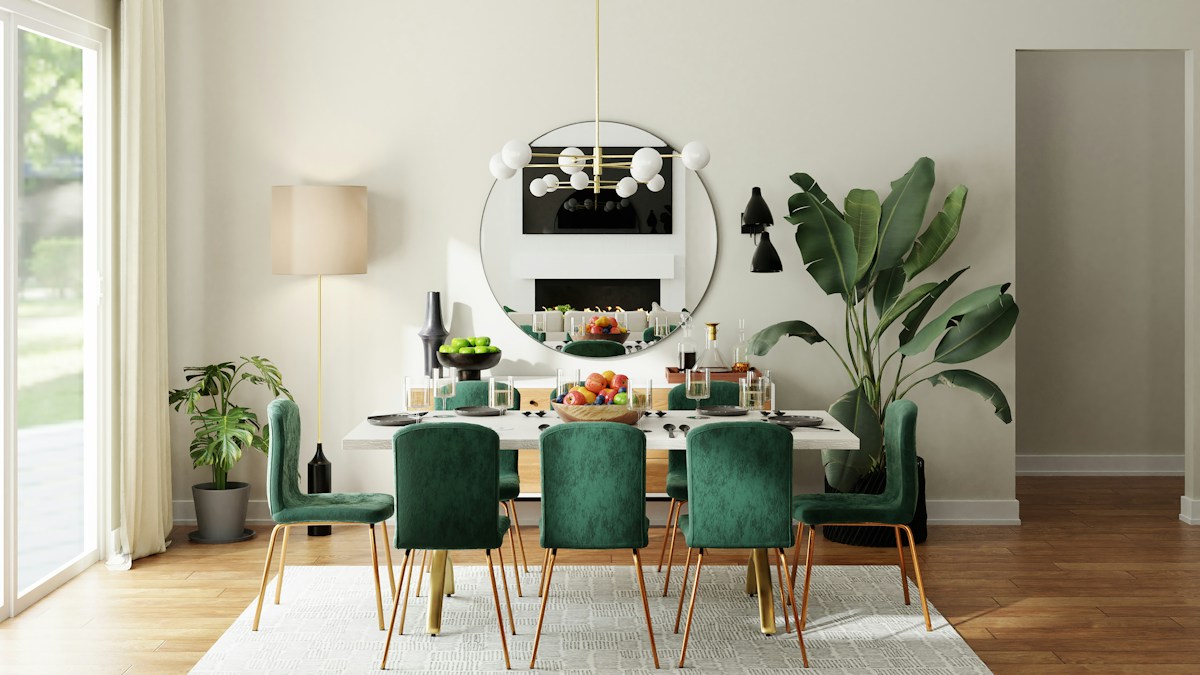
The dining room remains the heart of family gatherings, holiday celebrations, and everyday meals shared together—a space where memories are created over food and conversation. Furnishing this important room with quality furniture that will endure years of daily use represents a significant investment that many households approach with both excitement and anxiety. The excitement of creating beautiful spaces meets the anxiety of stretched budgets and uncertain quality judgments. Overstock and clearance channels offer genuine opportunities to acquire dining furniture that might otherwise exceed household budgets, but these opportunities require informed evaluation to distinguish genuine quality from cleverly marketed disappointment. This guide provides comprehensive guidance for evaluating dining sets at clearance prices, ensuring your investment delivers lasting satisfaction.
Dining Table Construction: Foundation of Quality
The dining table anchors the entire room and represents the largest investment in any dining set. Table construction quality determines how well the piece withstands daily use, resists damage, and maintains its appearance over years of meals, homework sessions, and family activities. Understanding construction fundamentals helps you evaluate tables with confidence regardless of price point or material.
Solid hardwood construction represents the highest quality tier for dining tables, offering durability that justifies premium pricing when that pricing is accessible. Tables built from oak, maple, cherry, or walnut feature real wood throughout, providing surfaces that can be sanded and refinished multiple times to address wear, scratches, or style changes. Quality hardwood tables often become family heirlooms passed through generations.
Engineered wood products—including plywood, MDF, and particleboard—form the foundation of more affordable dining tables. While these materials cannot match solid wood's longevity, quality engineered wood construction can provide adequate service when properly designed and maintained. The critical differentiator lies in veneer quality and edge banding durability. Thin, low-quality veneers peel and chip quickly; robust edge banding prevents moisture damage that destroys engineered wood cores.
Evaluating Table Tops and Finishes
Table tops face daily abuse from plates, glasses, hot dishes, and accidental spills that test finish durability relentlessly. Quality finishes protect wood surfaces while enhancing natural grain beauty. When evaluating dining tables, examine surfaces under various lighting conditions to identify imperfections that might not appear in focused showroom lighting.
Finish adhesion testing involves running your fingernail firmly along table edges and undersides where finishing attention is typically less rigorous than on prominent surfaces. Proper finish adhesion prevents the fingernail from lifting or scratching finish from wood. Loose, flaky, or easily scratched finishes indicate manufacturing quality issues that will cause problems during normal use.
Table surface evenness reveals manufacturing precision and any warping or distortion that occurred during storage or shipping. Place your palm flat on the table surface and slide slowly across, feeling for any raised or recessed areas. Quality tables feel consistently smooth across their entire surface. Visible gaps when viewing table edges from angles suggest uneven surfaces or warped components.
Chair Construction and Comfort Assessment
Dining chairs must balance aesthetic appeal with structural integrity sufficient for daily use over years of occupancy. The most beautiful chair provides poor value if it wobbles, creaks, or fails within months of purchase. Structural evaluation takes precedence over style evaluation when assessing dining chairs, though aesthetic considerations matter for overall room satisfaction.
Chair joinery quality parallels the techniques used in quality table construction. Mortise and tenon joints, dowel joints, and metal bracket reinforcements indicate quality construction. Avoid chairs assembled with only nails, staples, or glue—these connections fail under the stress of repeated seating. When evaluating chairs, apply moderate downward pressure to seats and rock chairs side to side, testing for any movement that suggests loose joints.
Seat comfort matters for chairs that will host daily meals. Very firm seats may indicate inadequate cushioning that makes extended seating uncomfortable. Very soft seats may indicate low-density foam that compresses permanently within months. Quality upholstered dining chairs use medium-firm cushioning that provides support without feeling hard, maintaining comfort through years of use.
Extension Mechanisms and Table Functionality
Many dining tables include extension mechanisms that allow the table surface to expand for entertaining larger gatherings. These mechanisms add complexity that requires evaluation during purchase decisions. Quality extension systems operate smoothly without requiring excessive force or demonstrating binding, sticking, or misalignment between leaf components and main table surfaces.
Self-storing leaves that remain attached to the table during storage offer convenience that justifies premium pricing for many households. Verify self-storage mechanisms operate correctly and that leaves are complete and undamaged. Separately stored leaves require more handling during use but simplify table storage when not entertaining large groups.
Butterfly leaves, center extensions, and end-mounted leaves each offer different tradeoffs between extension convenience and surface continuity. Butterfly leaves fold from within the table center and typically store within the table base. Center extensions slide into position from one end or both ends. End leaves flip or fold down from table ends. Each mechanism type has specific quality considerations beyond general construction evaluation.
Matching Chairs to Tables: Proportion and Style
Visual proportion between tables and chairs determines whether dining sets appear intentional and designed or mismatched and awkward. Chair seat height should position diners' feet comfortably on floors while allowing adequate clearance between seat and table underside for thighs. Standard dining tables stand 28-30 inches tall, with chair seat heights of 16-20 inches providing appropriate scale relationships.
Table width determines how many chairs fit comfortably along each side without diners' elbows colliding. Allow approximately 24 inches of table width per person for formal dining where place settings require adequate space. Counter-height and bar-height tables require corresponding taller seating that may limit chair options when mixing and matching from different sources.
Style consistency between tables and chairs affects overall room aesthetics even when purchasing complete sets. Examine how well chair design complements table styling—chairs with ornate details may overwhelm minimalist tables while simple chairs might appear lost beneath elaborately carved table bases. The goal is visual harmony that creates an intentional, cohesive dining space rather than furniture assembled from clearance scraps.
Identifying Real Value in Clearance Dining Sets
Genuine clearance dining sets offer exceptional value when quality matches pricing—but superficial discounts can mask poor quality that makes even reduced prices overpriced. The key to identifying real value lies in evaluating construction quality against actual price rather than comparing original retail prices to sale prices. Original retail prices often reflect inflated suggested pricing rather than genuine market value.
Compare clearance pricing against quality alternatives at various price points. A $500 dining set that has been discounted to $200 represents genuine value only if comparable quality alternatives are priced at $200 or higher elsewhere. If similar quality sets are widely available for $150, the $200 clearance price isn't a deal regardless of the original $500 suggestion.
Complete sets at clearance often provide better value than purchasing tables and chairs separately. Manufacturing efficiencies allow complete sets to carry lower per-piece pricing than equivalent individual pieces. However, complete sets limit customization options—you accept whatever table size, chair count, and finish options the manufacturer included in the set rather than designing your own combination.
Pro Tip
Bring a tape measure when shopping for dining sets and verify that chairs can be pushed under the table without binding. Many sets look proportionate in showrooms but don't actually fit together in real spaces—a critical consideration for smaller dining rooms.

Patricia Williams
Patricia Williams has helped thousands of families find dining furniture that brings them together for meals and memories. Her systematic evaluation approach ensures quality purchases that last for generations.