
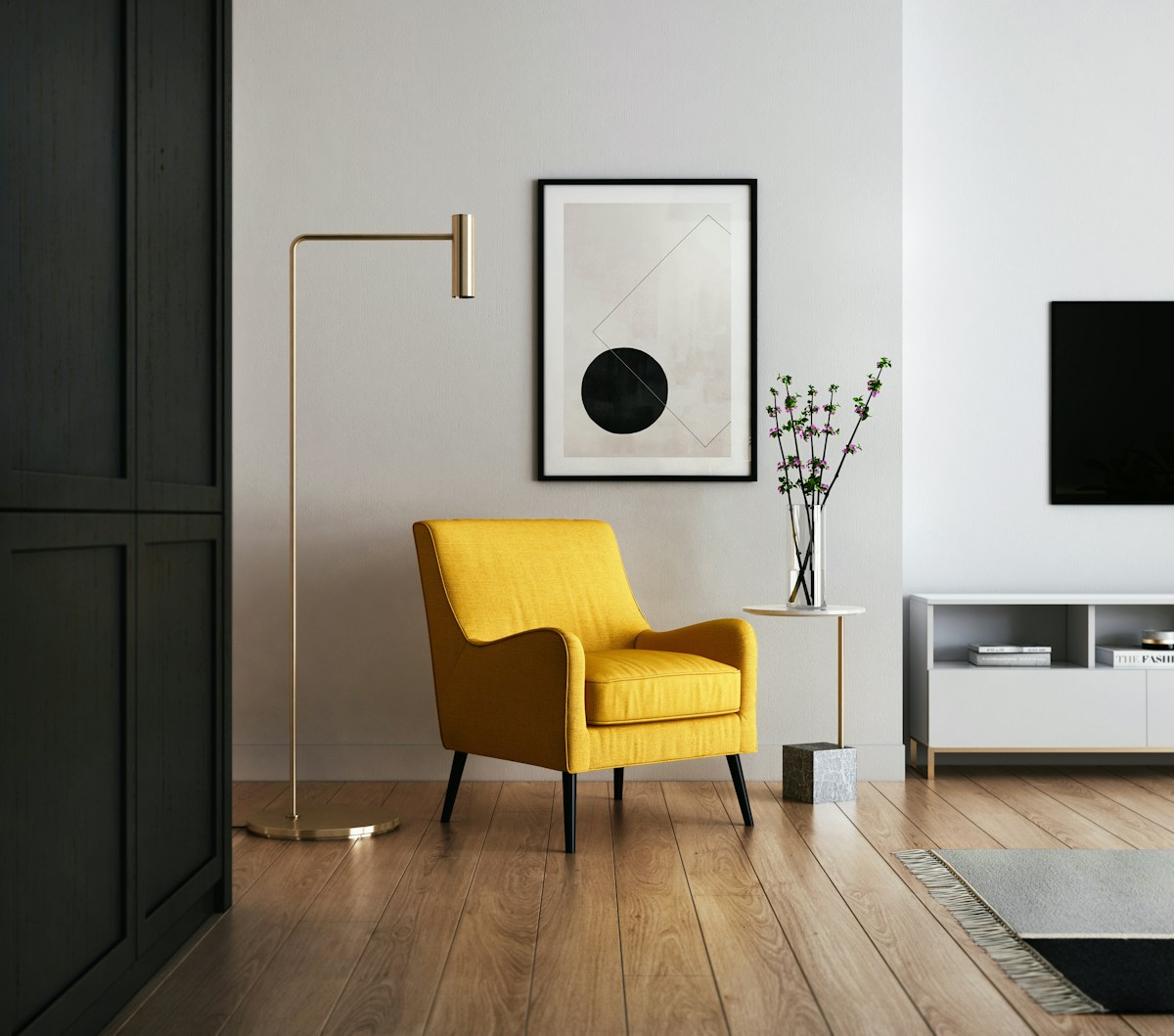
Home decor encompasses the decorative elements that transform houses into homes—the accents, accessories, textiles, and finishing touches that reflect personal style and create the atmosphere where families live, entertain, and find comfort. Unlike furniture that requires substantial investment and long-term commitment, home decor items offer accessible opportunities for regular refreshing and seasonal updates. Overstock and clearance channels provide exceptional opportunities to acquire decorative pieces at fractions of original retail pricing, enabling transformative room updates that would otherwise require significantly larger budgets. Understanding which decor categories offer the best value, how to evaluate quality in decorative items, and when to shop for specific seasonal pieces maximizes the impact of every decorating dollar.
Wall Art and Mirrors: High Impact, Accessible Pricing
Wall art and mirrors provide immediate visual impact that transforms room character without requiring furniture-level investment. Original artwork, prints, and mirrors frequently appear in overstock channels when retailers overbought, discontinued product lines, or accumulated returns that cannot be resold as new. The quality spectrum in wall decor spans from disposable mass-produced pieces to gallery-worthy original work, requiring careful evaluation to ensure satisfaction with purchases.
Framed prints and canvas transfers represent the most accessible overstock wall decor category, with discounts reaching 70-80% off original retail pricing during clearance events. Quality evaluation focuses on print clarity, color accuracy, and frame construction. Quality prints display sharp detail without pixelation or color banding, even when examined closely. Frames should feel substantial with properly aligned corners and secure hanging hardware.
Mirrors add both decorative appeal and functional value, making them versatile overstock finds. Full-length mirrors, decorative accent mirrors, and mirror sets appear regularly in overstock channels. Mirror quality evaluation includes checking reflective coating evenness, which should appear consistent without distortion across the viewing surface. Frame condition matters aesthetically but doesn't affect mirror functionality—minor frame damage at deep discounts often represents acceptable compromise.
Rugs and Textile Accents: Warmth and Color
Rugs and textile items including throws, pillows, curtains, and table linens offer the highest value-per-dollar impact for room transformations. These soft elements add warmth, color, and texture that hard surfaces alone cannot achieve, creating the comfortable, inviting atmospheres that define welcoming homes. Overstock opportunities in textiles appear regularly as seasons change, with significant clearance events following major holidays and seasonal transitions.
Area rugs represent the highest-ticket textile overstock category. Quality rugs—whether hand-knotted, machine-made, or flatwoven—carry price tags reflecting material costs and manufacturing complexity. Overstock clearance can transform $500 rugs into $150 purchases, making area rugs consistent overstock hunting priorities. When evaluating overstock rugs, inspect backing condition, edge binding, and any existing damage that might indicate underlying construction issues.
Throw pillows and textile sets frequently appear in overstock channels as retailers clear seasonal inventory. These items offer low-risk overstock purchases because their modest pricing means even imperfect items rarely represent significant waste. The primary quality consideration involves zipper operation for removable covers, fabric condition for unwashed returns, and symmetry for patterned items where manufacturing variations affect visual alignment.
Vases, Sculptures, and Decorative Objects
Decorative objects including vases, sculptures, figurines, bowls, and miscellaneous accents complete roomdecorating by adding personal touches and conversation-starting details. These items range from mass-produced budget pieces to limited-edition artist creations, with overstock opportunities appearing across the entire quality spectrum. Understanding value proposition at different price points helps make informed purchasing decisions.
Ceramic and porcelain items require careful inspection for chips, cracks, or glaze imperfections that compromise structural integrity. Minor cosmetic flaws in decorative-only pieces may represent acceptable compromise at sufficient discount, but functional items like vases that will hold water or plants must be completely sound. Hold ceramic items up to light sources to reveal hairline cracks invisible under normal lighting.
Metal decorative objects may show patina development or tarnish depending on material and storage conditions. Brass, copper, and bronze naturally develop attractive aging that many decorators appreciate; stainless steel and aluminum resist tarnish more effectively. Evaluate whether any existing patina matches your aesthetic preferences or whether removal would be required for your intended use.
Seasonal Decor: Strategic Timing for Maximum Savings
Seasonal decor follows predictable clearance patterns that informed shoppers leverage for exceptional savings. The most significant discounts typically occur shortly after holidays pass—Christmas decor appears at deep discounts starting December 26th, Halloween items discount heavily after October 31st, and summer outdoor decor begins clearing in late August. Being ready to shop immediately after seasonal peaks captures the best selection before inventory depletes.
Year-round decor with seasonal elements offers extended utility that improves value-per-use calculations. Neutral base pieces work throughout the year with seasonal accent updates requiring minimal investment. Overstock hunting should focus on versatile items that serve multiple purposes rather than single-use seasonal pieces that occupy storage space between brief appearances.
Planning seasonal purchases in advance transforms clearance shopping from reactive to strategic. Maintain lists of upcoming seasonal needs, monitor inventory at preferred retailers, and establish relationships with staff who can alert you to incoming overstock shipments. This proactive approach ensures access to best selections when clearance events begin rather than after premium items have sold.
Lighting Fixtures: Style and Function Combined
Lighting fixtures represent intersection of functional furniture and decorative accent, providing illumination while contributing significantly to room aesthetics. Overstock lighting includes table lamps, floor lamps, pendant fixtures, chandeliers, and wall sconces from discontinued collections or overstocked inventory. The electrical components in lighting require specific safety evaluation beyond decorative assessment.
Electrical safety verification should precede any lighting purchase, new or overstock. Visible wiring should appear intact without exposed conductors, cracking, or wear that indicates age-related degradation. Plug prongs should be straight and properly shaped for engagement with outlets. Switches should operate smoothly without sticking, excessive resistance, or unusual sounds during operation.
Lamp shades require evaluation for structural integrity and light diffusion characteristics. Fabric shades should be clean and undamaged without tears, fading, or stains that cleaning cannot address. Glass shades should be free from chips or cracks that might propagate over time. Verify shade attachment mechanisms function correctly—clips, harps, and UNO sockets should hold shades securely without wobble.
Lamps and Light Fixtures: Evaluating Quality
Lamp and fixture construction quality varies significantly across manufacturers and price points. Quality lamps use weighted bases providing stability that prevents tipping during normal activity or accidental contact. Lamps that feel top-heavy or unstable create safety hazards and indicate cost-cutting in base design or inadequate ballast weight.
Finish quality on metal components affects both aesthetics and durability. Quality finishes appear even and consistent without runs, drips, or bare spots visible under close inspection. Chrome and brushed nickel finishes should not show excessive wear or rust formation. Painted finishes should resist chipping when examined with gentle fingernail testing along edges and corners.
Hardware quality includes switches, sockets, and any adjustable mechanisms. Pull chain switches should operate smoothly without binding or requiring excessive force. Dimmer switches, when included, should provide smooth intensity adjustment without buzzing, flickering, or unusual noise. Adjustable arm mechanisms should hold positions firmly without drift or relaxation over time.
Maximizing Value in Home Decor Overstock
Successful home decor overstock shopping requires balancing immediate gratification against strategic patience. Deep discounts on items you don't need or that don't fit your existing decor provide minimal real value regardless of percentage savings. Focus overstock hunting on items from predetermined shopping lists or items so exceptionally priced that they inspire creative integration into your decorating plans.
Condition assessment determines whether overstock pricing represents genuine value or merely marketing positioning. Display items and customer returns often show minor wear that might be acceptable at sufficient discount but not at pricing that doesn't reflect actual condition. Always inspect items personally or request detailed condition reports before purchasing returns or floor samples at overstock prices.
Storage considerations apply particularly to seasonal decor purchases made well in advance of intended use. Holiday decorations purchased in January clearance sales need appropriate storage until the relevant season. Factor storage space requirements and any necessary climate control or pest protection into purchasing decisions—cheap decorations that deteriorate in poor storage conditions provide poor ultimate value.
Pro Tip
Group similar overstock items together for maximum impact—a collection of mismatched but complementary vases or frames creates gallery-style displays that appear intentionally curated rather than clearance-hunting accumulated.

Patricia Williams
Patricia Williams has helped thousands of homeowners transform their living spaces with creative overstock finds. Her practical approach to seasonal timing and quality evaluation ensures satisfying purchases that enhance home aesthetics for years.